Bolton Valley
- Summit
- 949m
- Vertical
- 471m
- Snowfall a year
- 307cm
- Snow season
- Jan to Apr
About 119 days on a 30 cm base
Between seasons
The lifts are resting
Natural snow usually covers the slopes from January to April.
- Best months
- Snow season
On the hill now
- Temperature
- 9°C
- Wind
- 14 km/h
- Visibility
- Good
- Last snowfall
- Over 3 days ago
- Lifts
- 0 of 0 running
Get a powder alert
We will let you know when Bolton Valley scores great.
Weather data by Open-Meteo.com, CC BY 4.0Embed this snow report on your site
About Bolton Valley
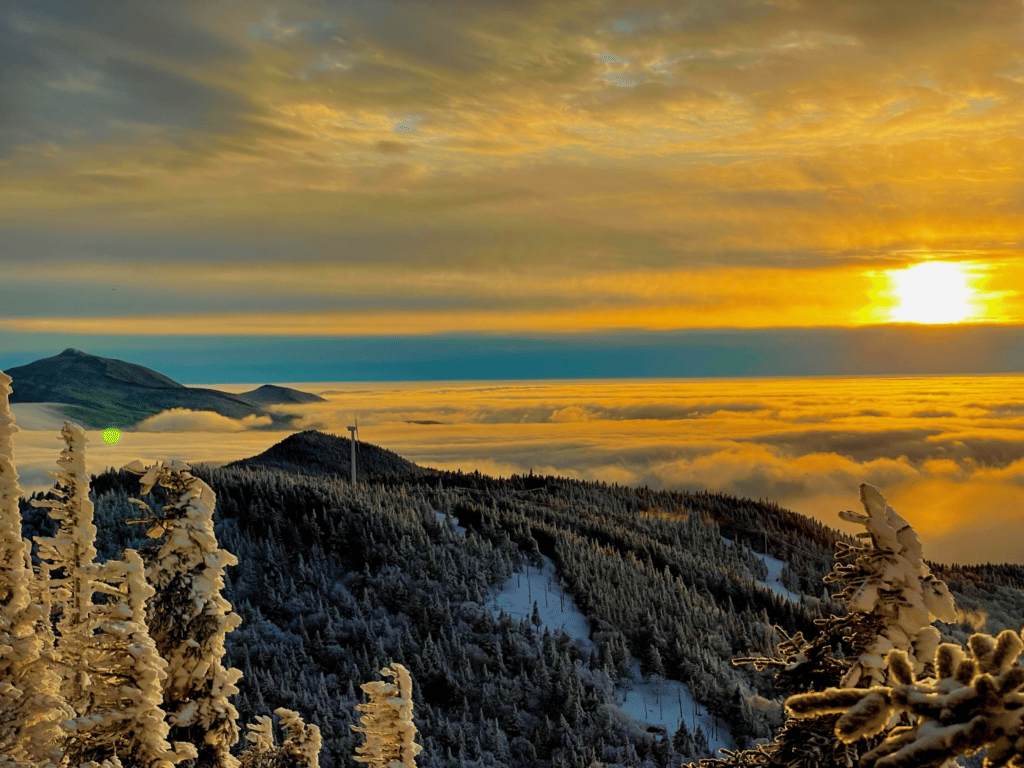
Bolton Valley sits in Vermont, in the north-eastern United States, and rises from a base at 478m to a top elevation of 949m. The resort's mid-mountain reference point at 713m helps define a compact eastern mountain, with enough height change to feel like a full ski hill without the scale of a large destination resort. The height difference of 471m places most of the skiing inside a single, legible mountain zone, which helps visitors understand aspect, exposure, and return routes before choosing runs. Its character comes from that setting: wooded Vermont terrain, practical vertical, and a layout that suits skiers and snowboarders who want a straightforward mountain day.
Keep readingShow less
The terrain plan should start with the elevation band, because it sets expectations more clearly than broad labels. Beginners and families can look for learning terrain near the lower mountain and build confidence through short, repeatable laps. Intermediates can make steady use here, moving between the mid and upper elevations as conditions and open terrain allow. Advanced skiers, off-piste riders, racers, and snowboarders should read the trail map with care before planning a specialist trip, since the fixed public facts give elevation, not trail counts, lift names, grooming plans, or difficulty ratios. Snowboarders should also check flats, traverses, and lift spacing on the trail map, as those details shape a day more than the summit number.
Bolton Valley fits a wider Vermont ski trip as a focused stop rather than a sprawling mountain complex. The state rewards flexible planning: cold snaps, thaw cycles, and storms can change snow quality across short distances, so the resort's own snow report should guide timing before travel. Its Vermont address also places it within New England skiing, where tree-lined pistes, compact base areas, and quick weather shifts shape the rhythm of a trip. For travellers building an itinerary, the useful question is practical rather than promotional: match the day's plan to the forecast, the operating report, and the group's ability. With that approach, Bolton Valley offers a clear Vermont mountain profile, close enough in scale for mixed groups and high enough to give the day a true alpine centre.
When to go
Best in February and March
From 30 years of weather records at 713 m. Peaks show average snowfall for each month.
- Snowfall a year
- 307 cm
- Days with a 30 cm base
- 119
- Snow reliability
- Snow-sure
- Reliability in United States
- 76 of 165
- Natural snow season, January to April
- Snowcapped peaks are the best months
Ski resorts near Bolton Valley
10 resorts within 100 km