Wildcat
- Summit
- 1,211m
- Vertical
- 617m
- Snowfall a year
- 373cm
- Snow season
- Jan to Apr
About 139 days on a 30 cm base
Between seasons
The lifts are resting
Natural snow usually covers the slopes from January to April.
- Best months
- Snow season
On the hill now
- Temperature
- 8°C
- Wind
- 17 km/h
- Visibility
- Good
- Last snowfall
- Over 3 days ago
- Lifts
- 0 of 0 running
Get a powder alert
We will let you know when Wildcat scores great.
Weather data by Open-Meteo.com, CC BY 4.0Embed this snow report on your site
About Wildcat
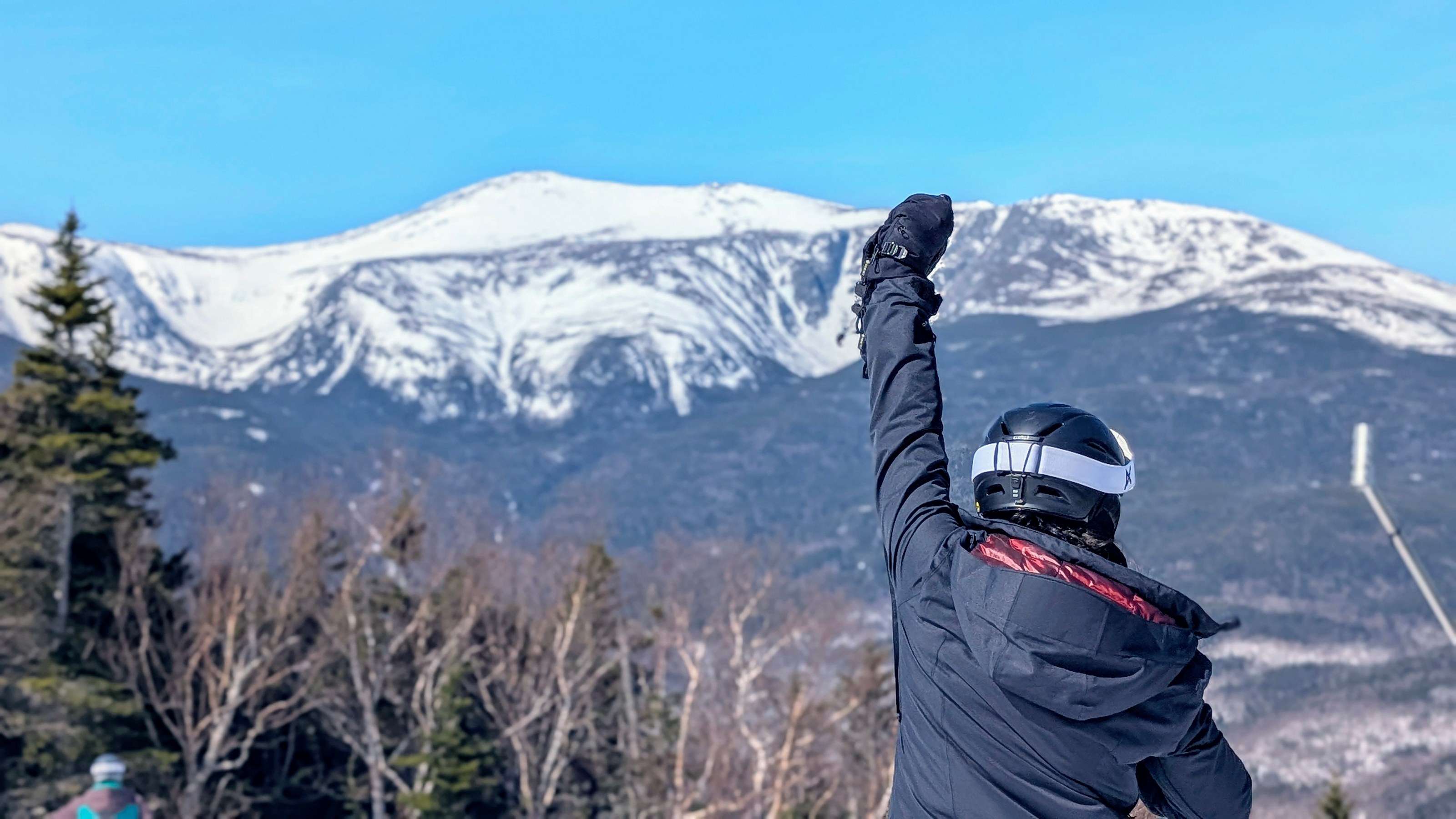
Wildcat sits in New Hampshire, in the north-eastern United States, with a base at 594m and a summit at 1211m. The mountain rises through 617m of vertical, enough to give the ski area a clear alpine feel by New England standards. Its public image leans into a rougher, outdoor character: the resort's own photography pairs a "back to the wild" sign with snowy peaks, and the name suits that setting. The area reads as a New Hampshire mountain first, with skiing centred on elevation, exposure, and a strong sense of place.
Keep readingShow less
The 594m to 1211m profile suits skiers and snowboarders who want compact New England terrain with a noticeable descent. Beginners should look for marked novice areas and confirm open terrain before committing to a day, because the mountain's identity points more toward confident resort skiing than first-day convenience. Intermediates get a clear fit: enough vertical to link longer laps, practise edging, and adjust to firmer eastern snow surfaces when conditions demand it. Strong skiers, riders, and racers can use the pitch and elevation change for pressure, speed control, and line choice. Off-piste skiers should use only open, permitted terrain and local guidance, because New England woods and weather punish guesswork. Families should judge the day by ability spread, weather, and open terrain rather than by pass access alone.
As part of a wider New Hampshire trip, Wildcat works as a mountain day rather than a resort town base. Travellers can pair it with other snow, food, and lodging options in the state, but each plan should start with the official lift and terrain report. The vertical range, from 594m at the base to 902m mid-mountain and 1211m at the top, gives the hill a clear weather gradient, especially in cold eastern storms. Plan clothing, timing, and transport around mountain weather, then let the setting define the day: a signed return "to the wild" beneath snowy New Hampshire mountains.
When to go
Best in February and March
From 30 years of weather records at 902 m. Peaks show average snowfall for each month.
- Snowfall a year
- 373 cm
- Days with a 30 cm base
- 139
- Snow reliability
- Snow-sure
- Reliability in United States
- 44 of 165
- Natural snow season, January to April
- Snowcapped peaks are the best months
Ski resorts near Wildcat
10 resorts within 100 km