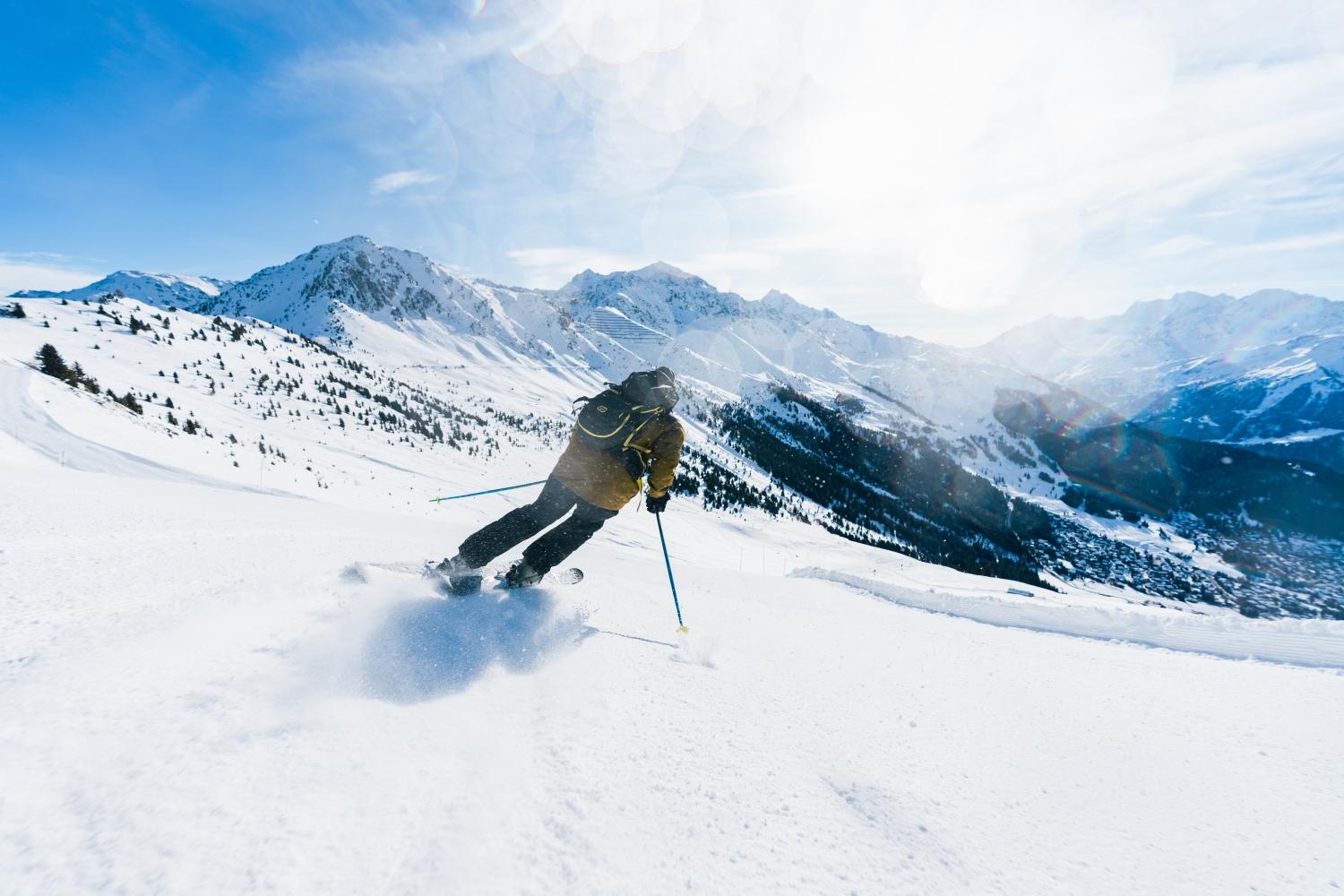
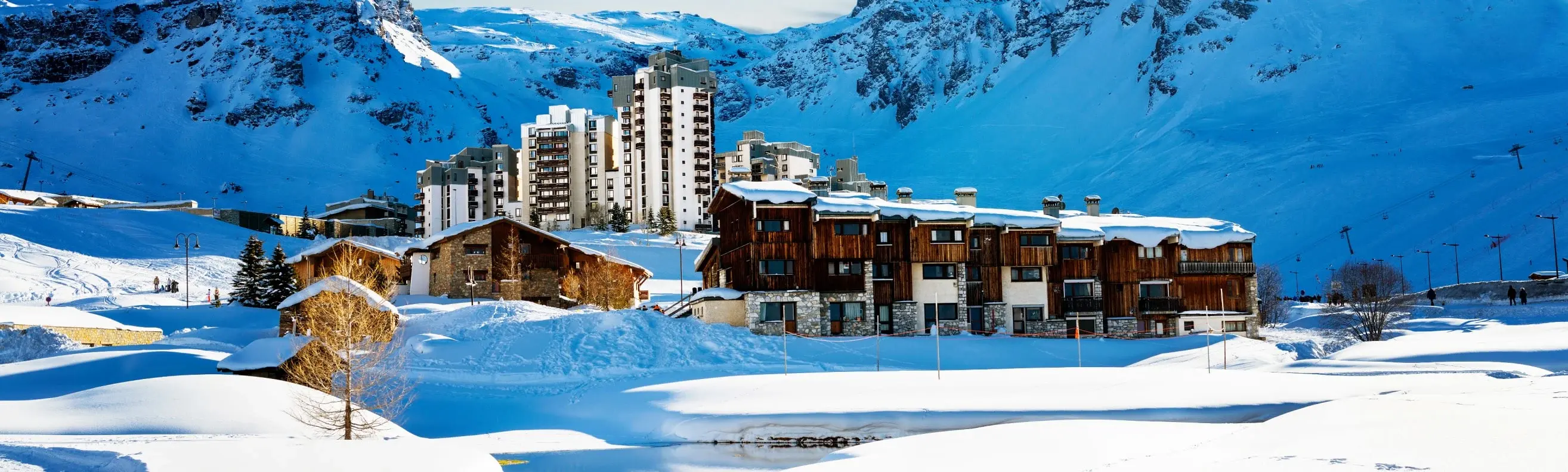
Zermatt sits at -6C under bright blue skies. Clear, cold conditions stretch from Verbier and St. Moritz to Val d'Isère and Val Thorens.
Zermatt leads the pack at -6C in Valais, a true bluebird day on the Matterhorn side. High altitude and glacier coverage mean the air is crisp and the snowpack firm, but the sun is strong and visibility is flawless. It is notable today because those northern exposures will stay cold all day while sunlit runs will soften into pleasant spring corn where the slope angle allows it. The resort’s mix of glacier skiing and sheltered couloirs makes it the best bet for firm, stable conditions in the Swiss Alps.
The wider picture is uniformly clear and cold. In Switzerland, Verbier sits at -2C and St. Moritz at -1C, both offering bright skies and stable visibility for technical lines and piste laps. The French high-Alps show a split between colder high basins and milder valley floors: Val d'Isère and Tignes are both at -4C, while Courchevel is warmer at 2C, so expect softer lower slopes there by midday. Val Thorens is holding at -2C on its high plateau. Italy’s Cervinia reads -3C and Livigno 0C, good for crisp, fast snow at altitude. Austria’s Lech/Zürs is at 0C, clear and cold but with softer conditions lower down. Overall the range runs from -6C to 2C, with high-altitude sectors uniformly the cleanest and firmest.
What this suggests for the next day or two follows directly from the current state. Clear skies and low temperatures preserve firm, well-formed corduroy overnight and keep shaded lines icy through the morning. Sunlit aspects will soften from late morning, especially at lower elevations and in resorts running closer to zero. No precipitation is reported, so expect consistent visibility and stable riding conditions rather than fresh snow. If you plan to chase firm, fast days and reliable visibility, head to the higher terrain; if you prefer softer turns, aim for south-facing slopes after mid-morning.