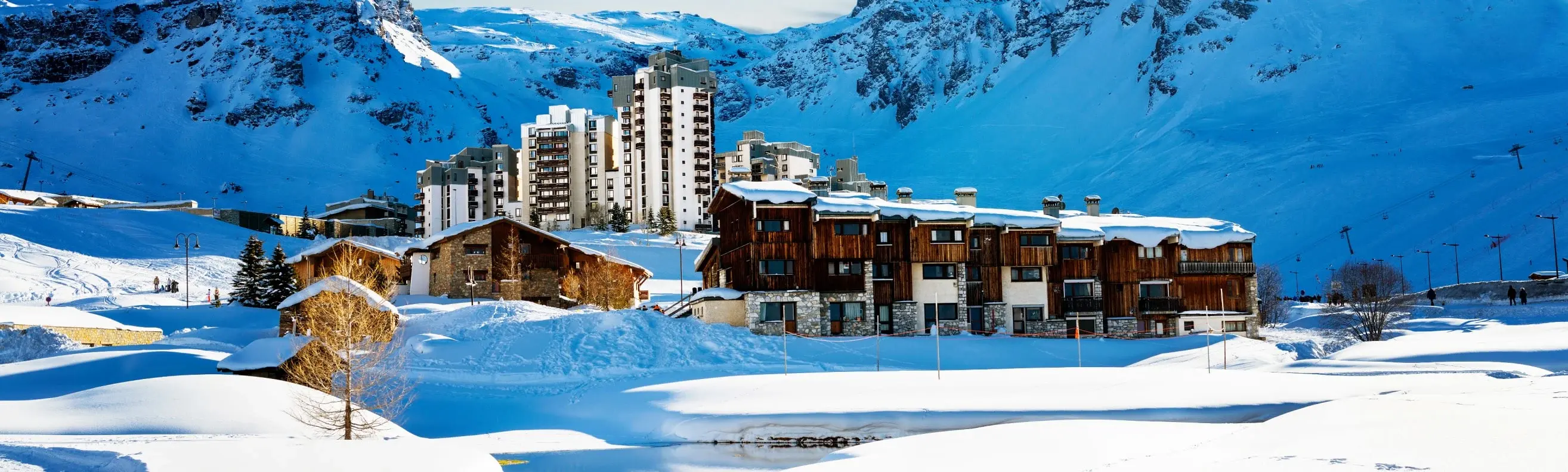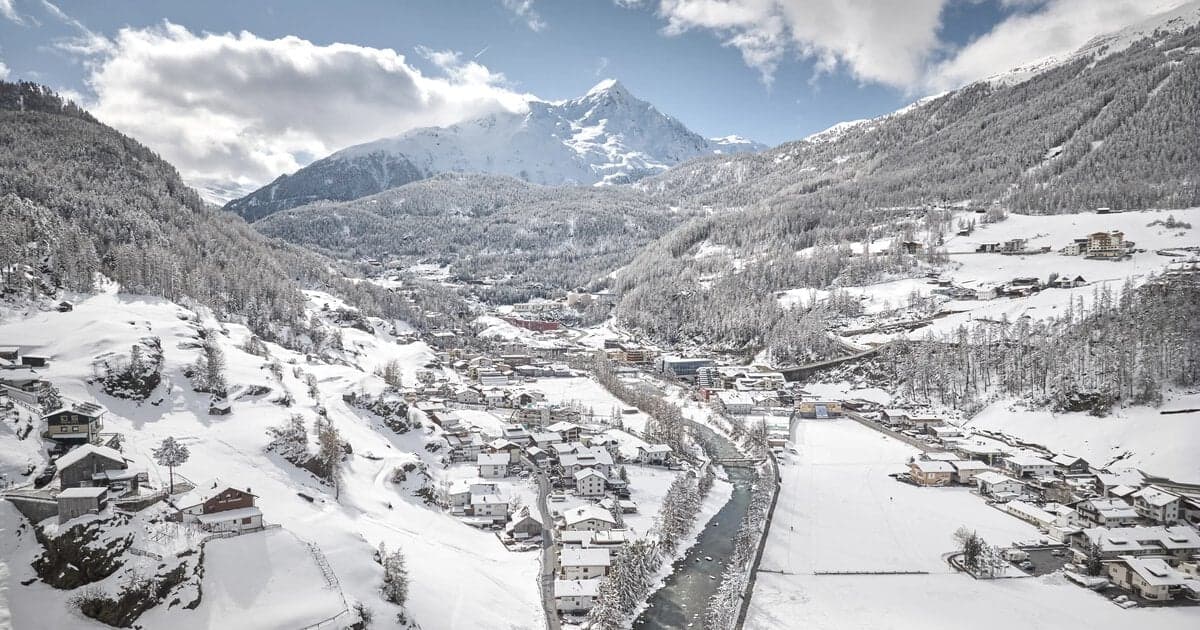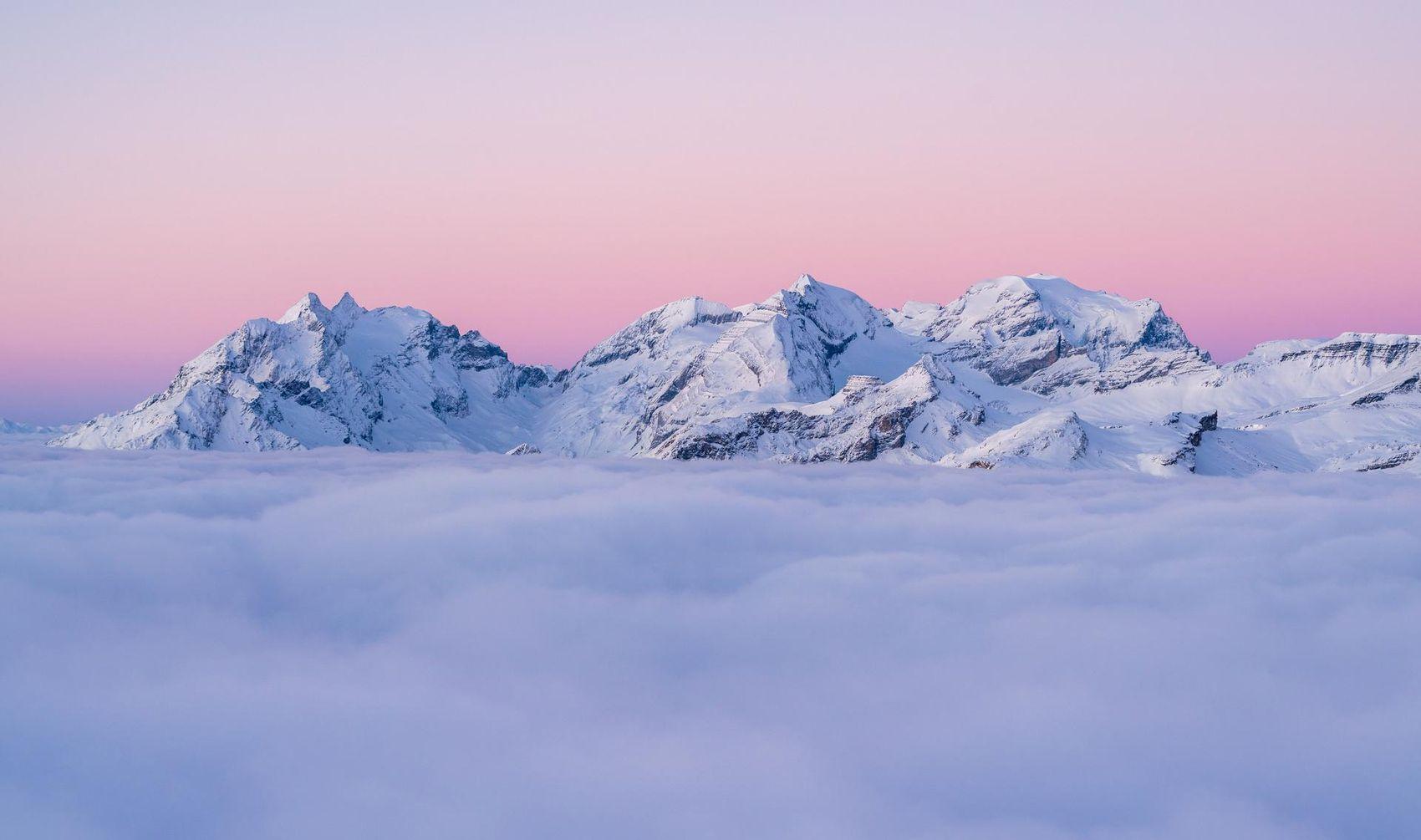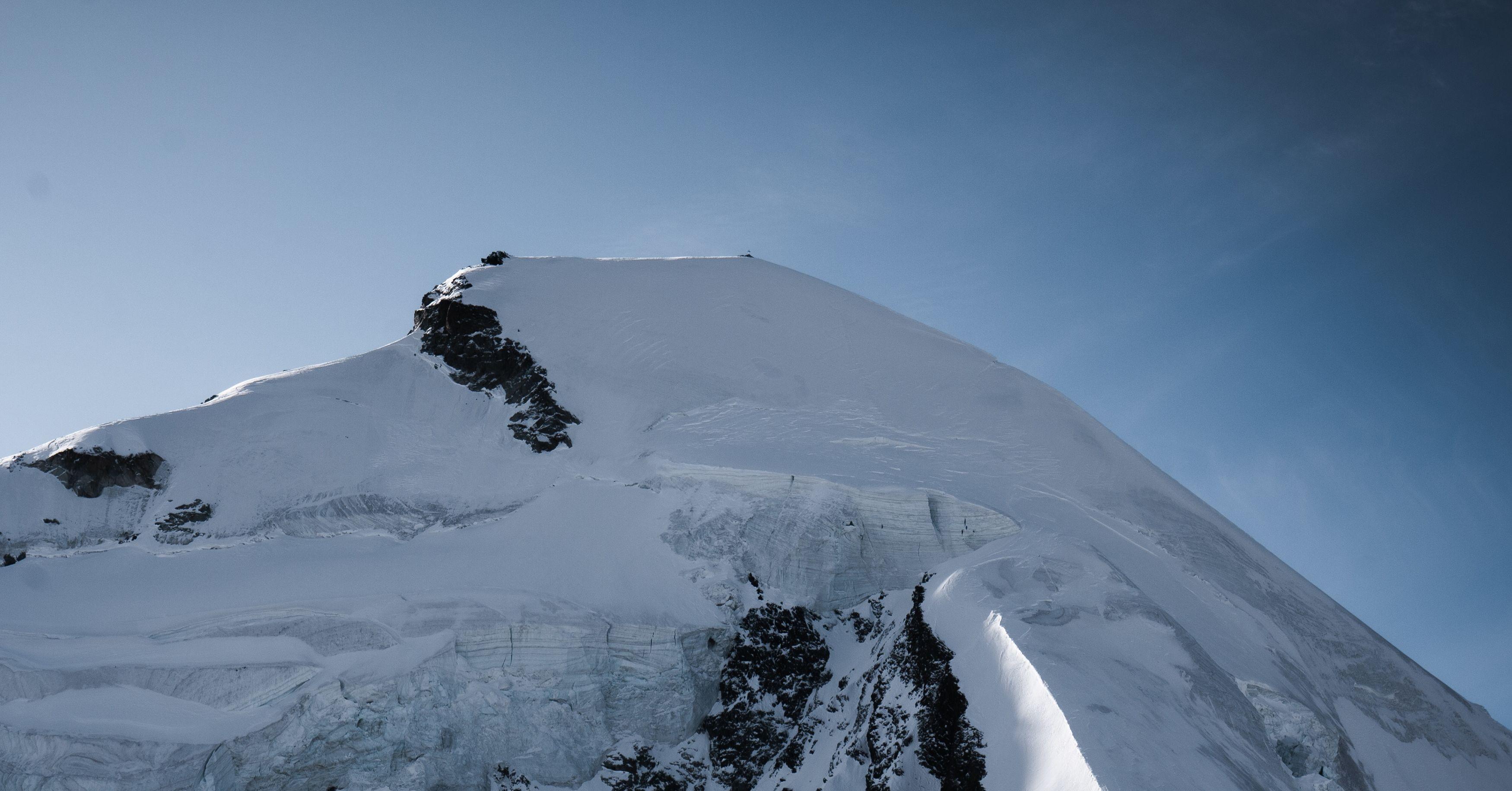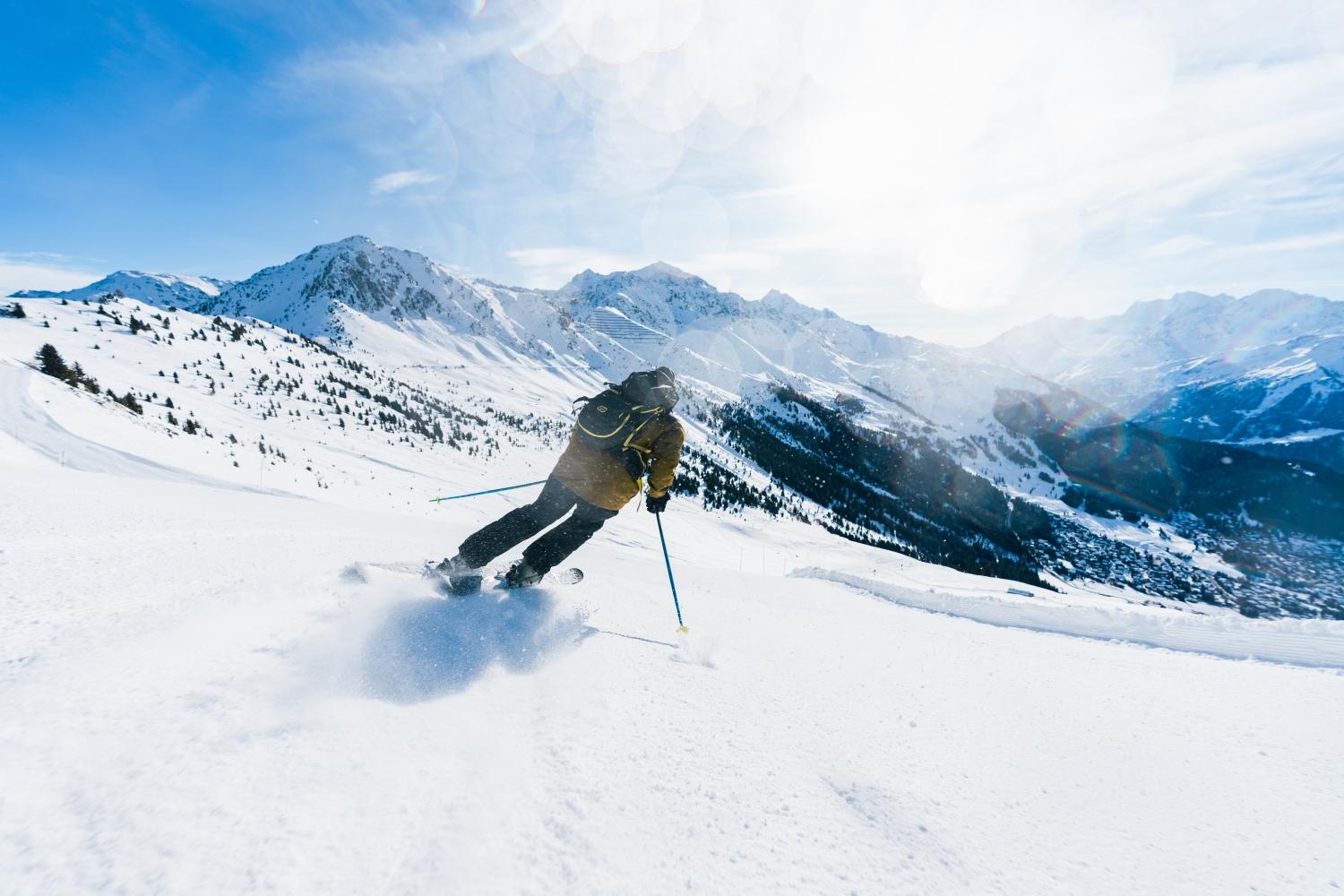
Bluebird skies and hard cold across the Alps. Zermatt hit -7°C; Verbier, Val d'Isère, Val Thorens and Sölden are all sunny and cold.
Zermatt sits at the top of today’s list, recording -7°C and bright, clear skies that keep the high alpine faces firm and stable. The combination of cold temperatures and sunshine has preserved the winter crust higher on the mountain while making the sunlit slopes glassy by late morning. For anyone chasing precise snow quality, Zermatt is notable for hard, fast conditions on glacier terrain and excellent visibility across the valley.
Across the rest of the Alps the picture is consistent, with twelve qualifying resorts reporting clear, cold weather. In Switzerland Verbier and Laax both show clear skies and subzero temps, Verbier at -1°C and Laax at -1°C, which keeps piste traffic pleasant and hardpack predictable. France’s high resorts are equally bluebird, Val d'Isère and Tignes at -4°C and Val Thorens at -2°C, where the altitude means the snow stays cold and spring softening is delayed. In Italy Cervinia at -4°C is behaving more like its Swiss neighbour, while Livigno at 1°C is the warm outlier, so expect earlier softening on lower aspects. Sölden in Austria at -3°C and Saas Fee at -4°C round out the notable reports, each offering firm upper mountain snow and excellent visibility for big lines. The remaining resorts fit this pattern; clear skies, cold nights and well conserved snow at higher elevations, with lower slopes beginning to show signs of sun-driven softening where temperatures push above freezing.
The current state points to a classic bluebird day for alpine skiing and riding, with firm early conditions and reliable visibility through the afternoon. Hard pack will be the rule on shaded and higher aspects, while south-facing lower runs will soften as the sun climbs. If planning a day trip, earlier starts will give the firmest snow and the most consistent turns; later in the day the contrast between frozen ridgetops and sun-softened lower pistes will become more pronounced. The data shows cold nights will continue to stabilise the pack, keeping high-altitude runs in good shape for the next day or two.