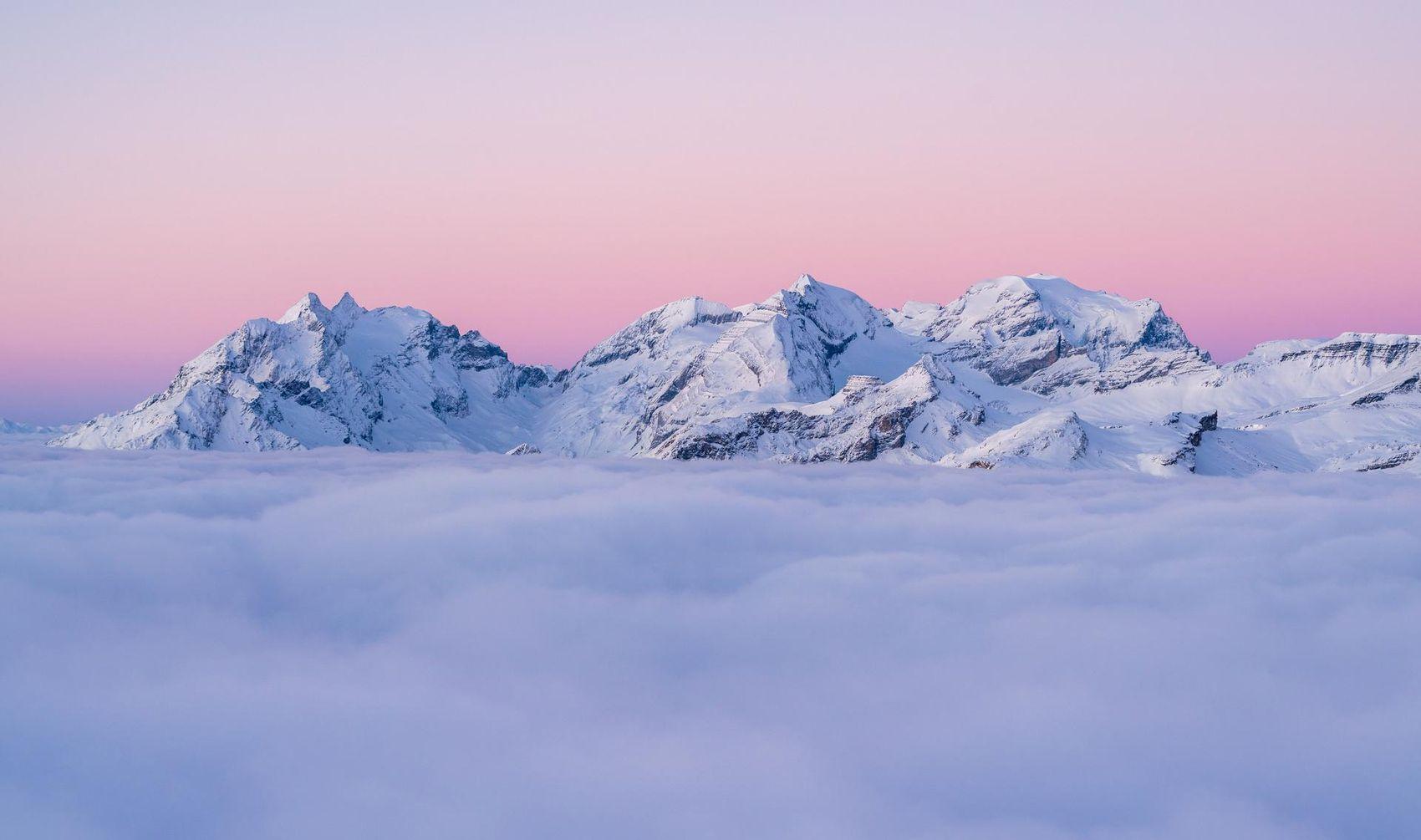
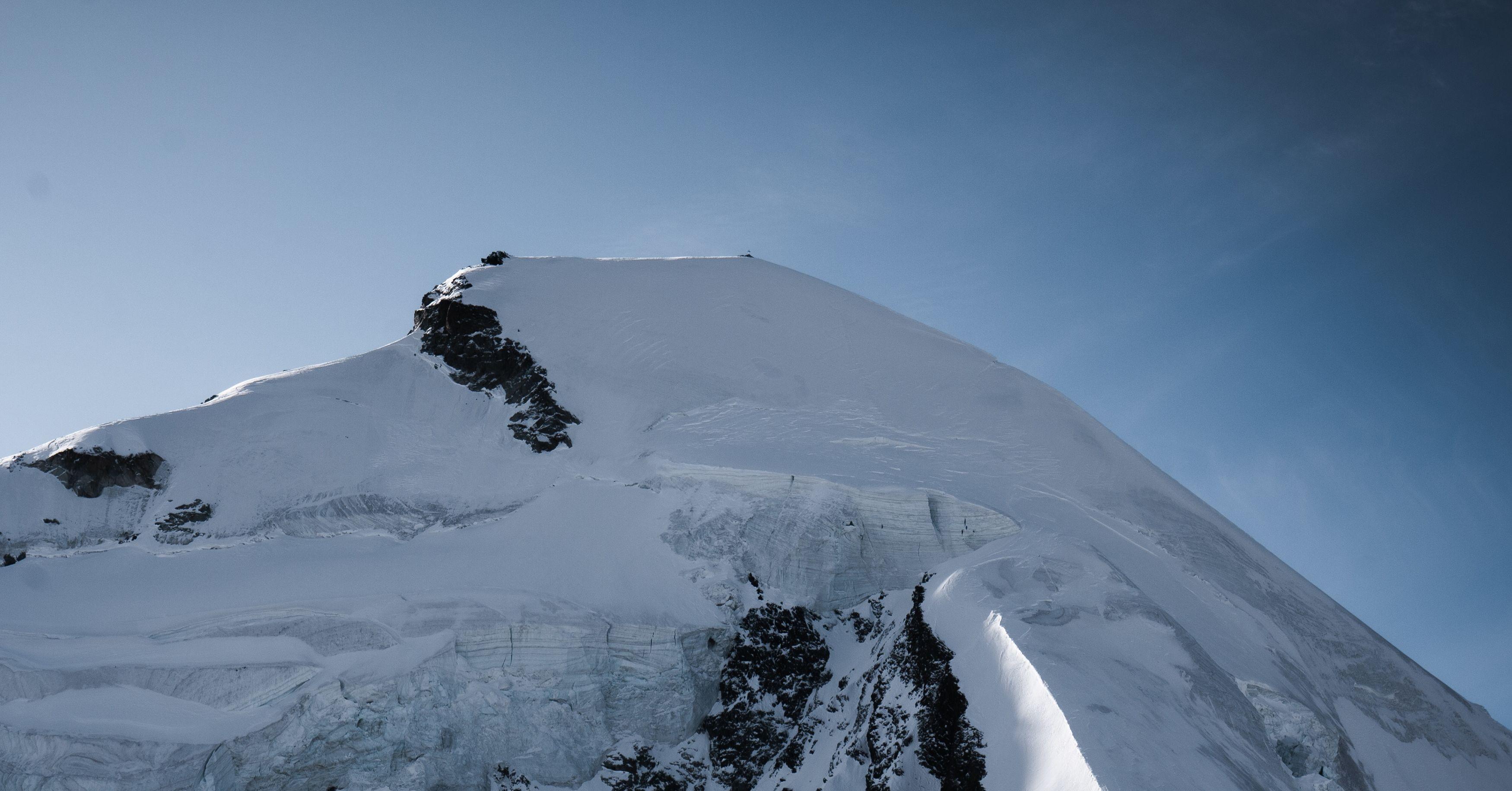
Zermatt registered -8C under clear skies, the coldest of 14 bluebird resorts. Alps and Whistler are cold and sunny, with firm mornings and sun-softened lower slopes.
Zermatt in Valais recorded the coldest thermometer among our 14 bluebird resorts, at -8C under clear, cold skies. The altitude and glacier terrain keep the upper mountain compact and bright, with visibility that favours long, committed lines and precise edge work. Snow is firm first thing, but the constant sun will highlight line choice and ski technique throughout the day.
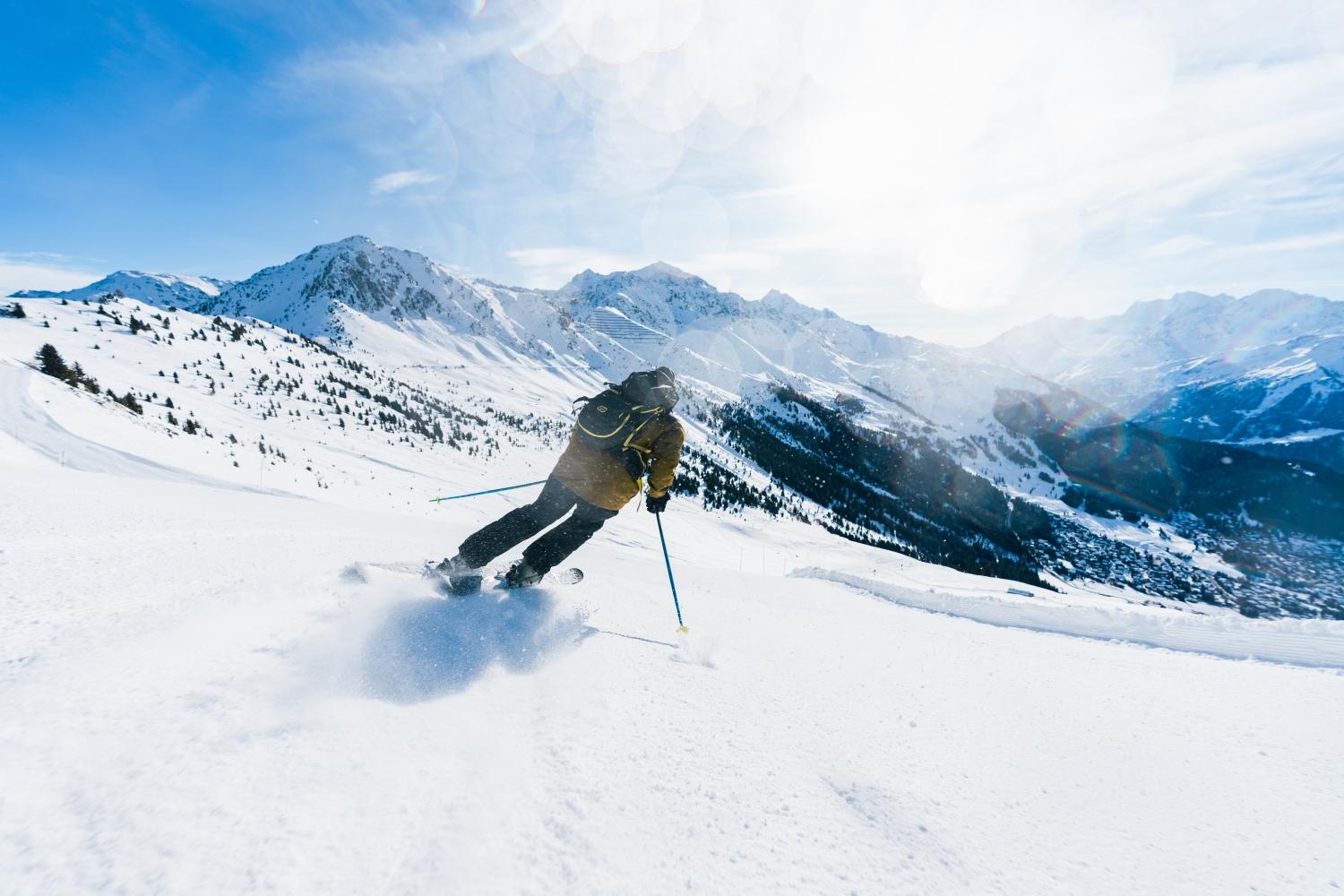
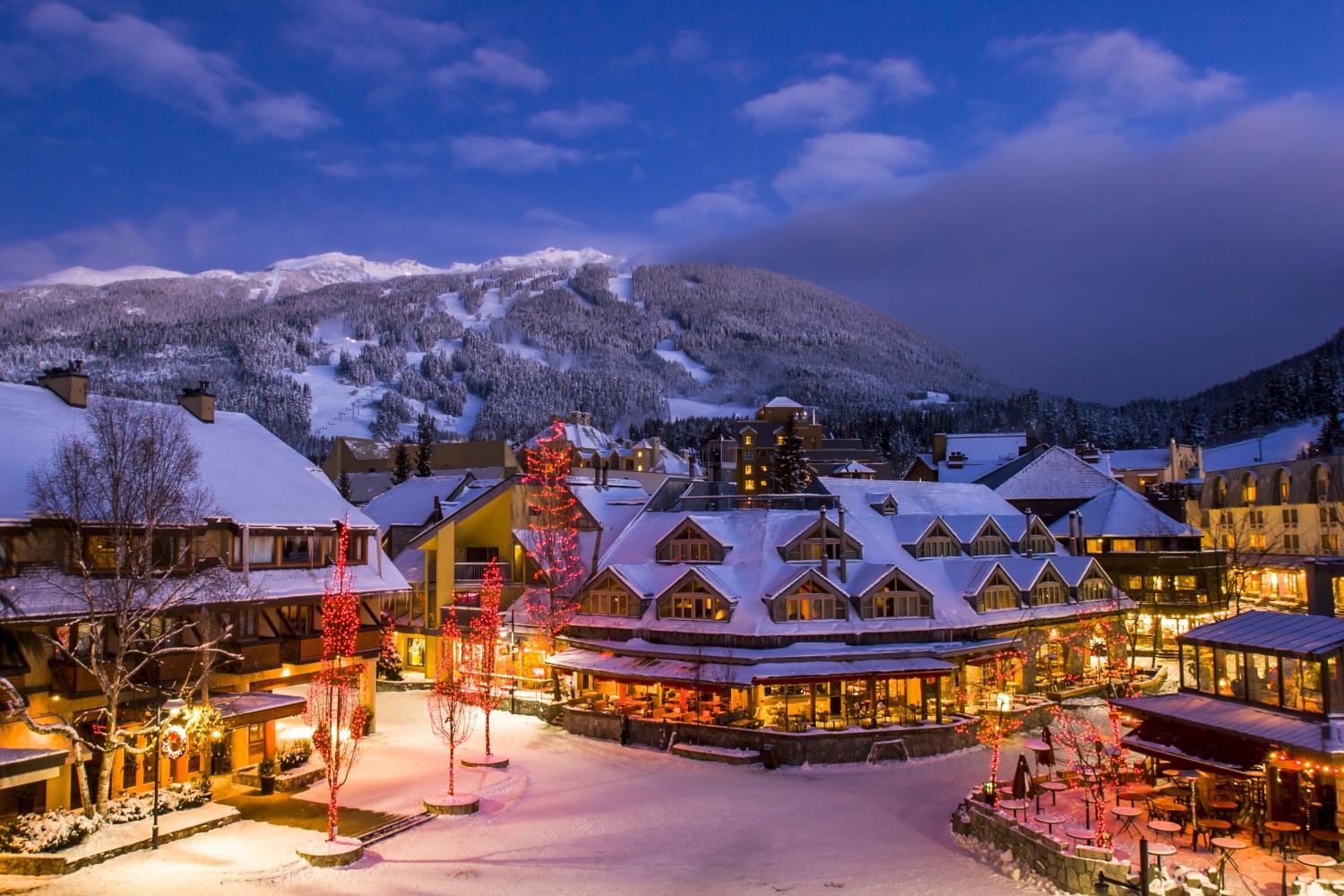
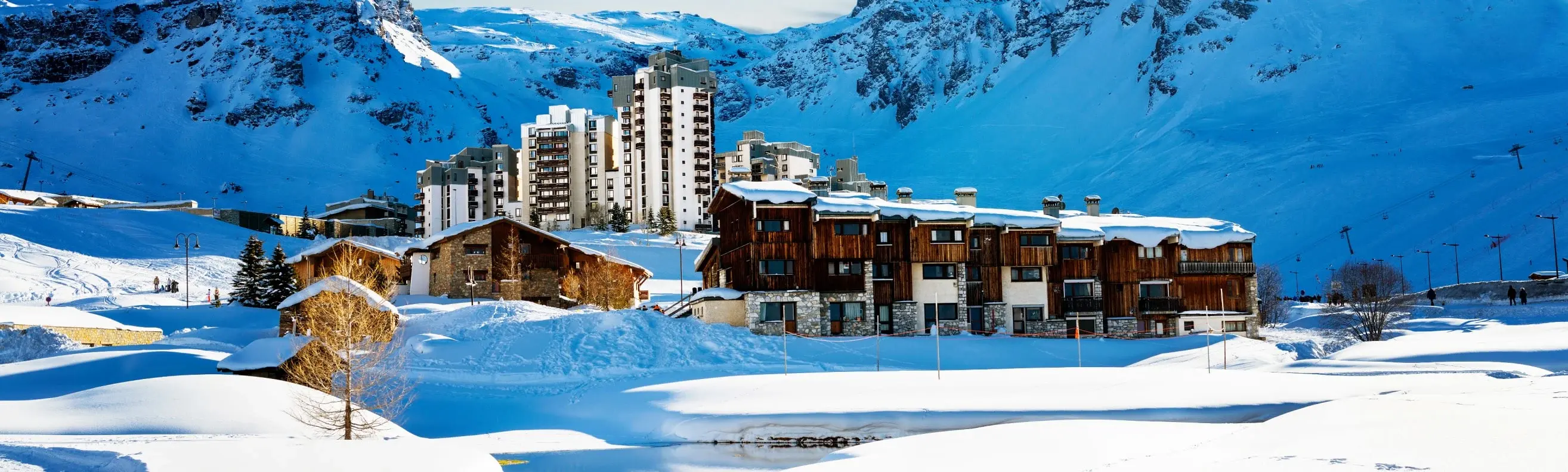
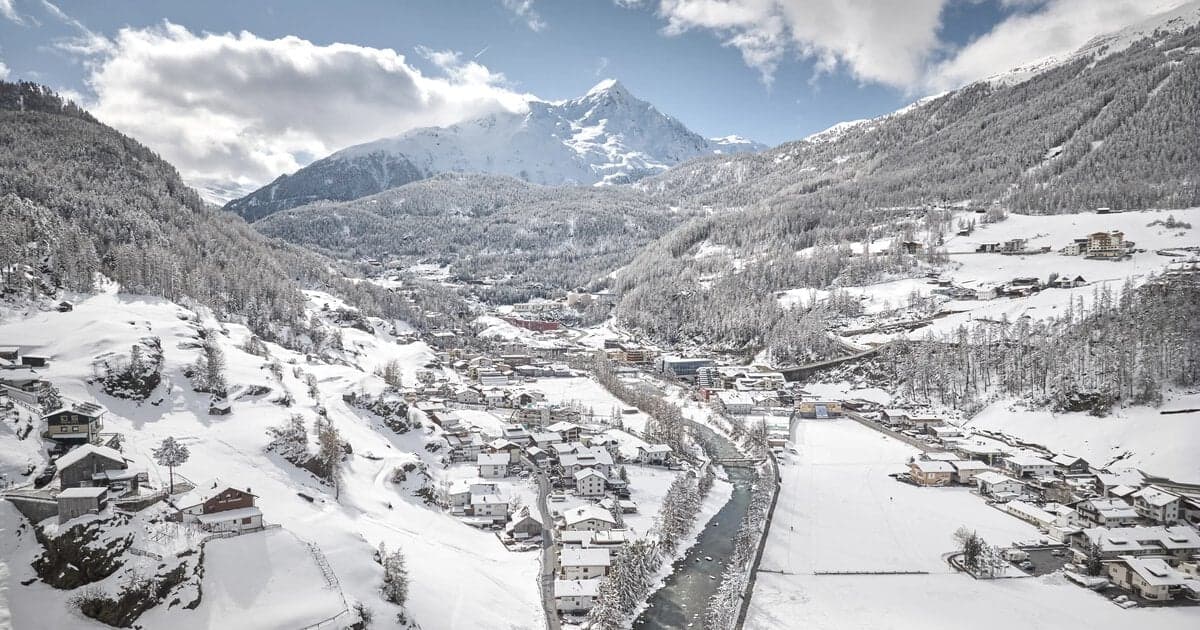
The picture across the Alps is uniformly clean and cold. Verbier sits at -3C, offering the classic blue-sky experience on steep, consolidated snow. Val d'Isère and Tignes both read -5C, which preserves excellent high-altitude cover and makes the Grandes Motte glacier and the higher sectors the best bets for stable spring turns. In France, Courchevel in the 3 Vallees is milder at 1C; lower pistes will soften earlier there, so aim higher for firmer spring corn. Austria and Italy show similar clarity, with Lech/Zürs at -2C and Sölden at -6C, while Cervinia and Livigno come in around -5C and -1C respectively. Across the Atlantic, Whistler Blackcomb is also clear and cold at -3C, so the Pacific North West is serving the same blue-sky, hard-pack template as the European ranges. The remaining resorts in our list share the same theme, cold nights and clean air, which keeps the snowpack well defined and predictable.
These observations suggest a straightforward couple of days for skiing and riding. Cold nights and clear skies mean firm mornings on most aspects, with solar softening on south and lower slopes as the sun climbs. Upper elevations and glaciers will stay compact and rideable, while lower runs will become springy by midday where temperatures are closer to freezing. Given the uniformity of conditions across regions, route planning should prioritise altitude and aspect rather than chasing fresh snowfall.