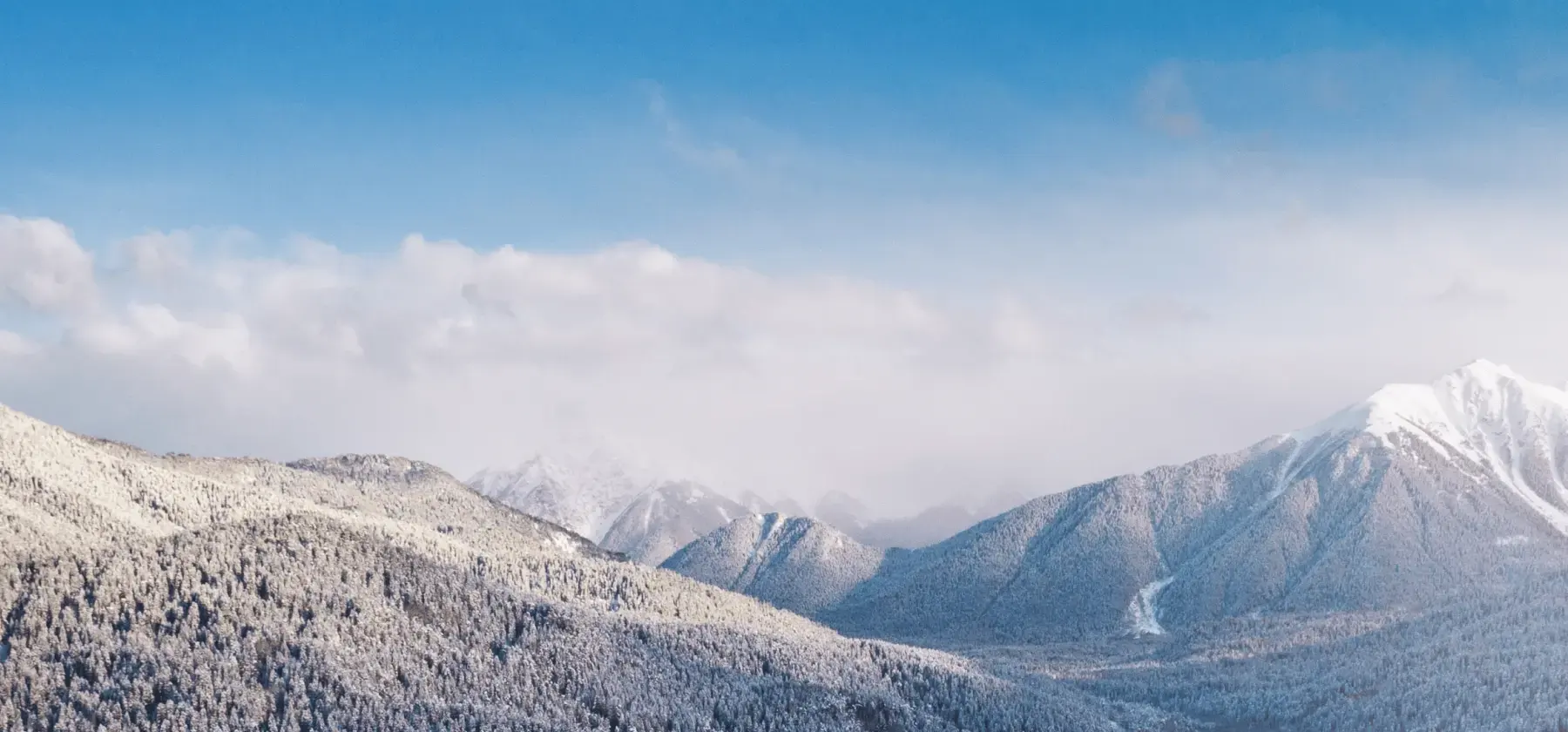
Elbrus tops the Caucasus report with 33cm, followed by 32cm at Arkhyz and 26cm at Hatsvali. All three are marked for incoming snow.
Elbrus leads today’s report with 33cm in Kabardino-Balkaria, Russia. That puts it just ahead of Arkhyz, with the two resorts separated by only 1cm. Both are marked for incoming snow, so the reported totals sit alongside a signal that snowfall is still expected. The data gives no measurement window or elevation breakdown, which makes it hard to judge how evenly the snow has settled across each mountain. Still, Elbrus is the clear headline on the figures available, and the neighbouring resorts are close behind.
The picture extends across the Caucasus. In Russia’s Karachay-Cherkessia, Arkhyz is listed with 32cm and incoming snow. Across the border in Georgia, Hatsvali has 26cm in Samegrelo-Zemo Svaneti, also with incoming snow. The three qualifying resorts therefore form a compact regional cluster, rather than a broad spread of unrelated reports. Their totals range from 26cm to 33cm, with each resort showing more than 25cm. That is a consistent signal across these locations, though the figures alone do not establish whether the snowfall fell over the same period or under similar conditions. No information is provided on temperatures, snow quality, lift operations or open terrain, so those details should not be read into the totals.
For the next day or two, the only grounded indication is the incoming-snow status shown for all three resorts. It points to further snow being expected at Elbrus, Arkhyz and Hatsvali, but the data gives no timing, amount or elevation for what comes next. The current report supports a strong Caucasus snow picture, led narrowly by Elbrus, with Arkhyz and Hatsvali also carrying substantial totals. A fresh update will be needed to tell whether those numbers grow and how the new snow affects conditions on the mountain.